Who we are
About Reimagining Industrial Migratory Stories CIC
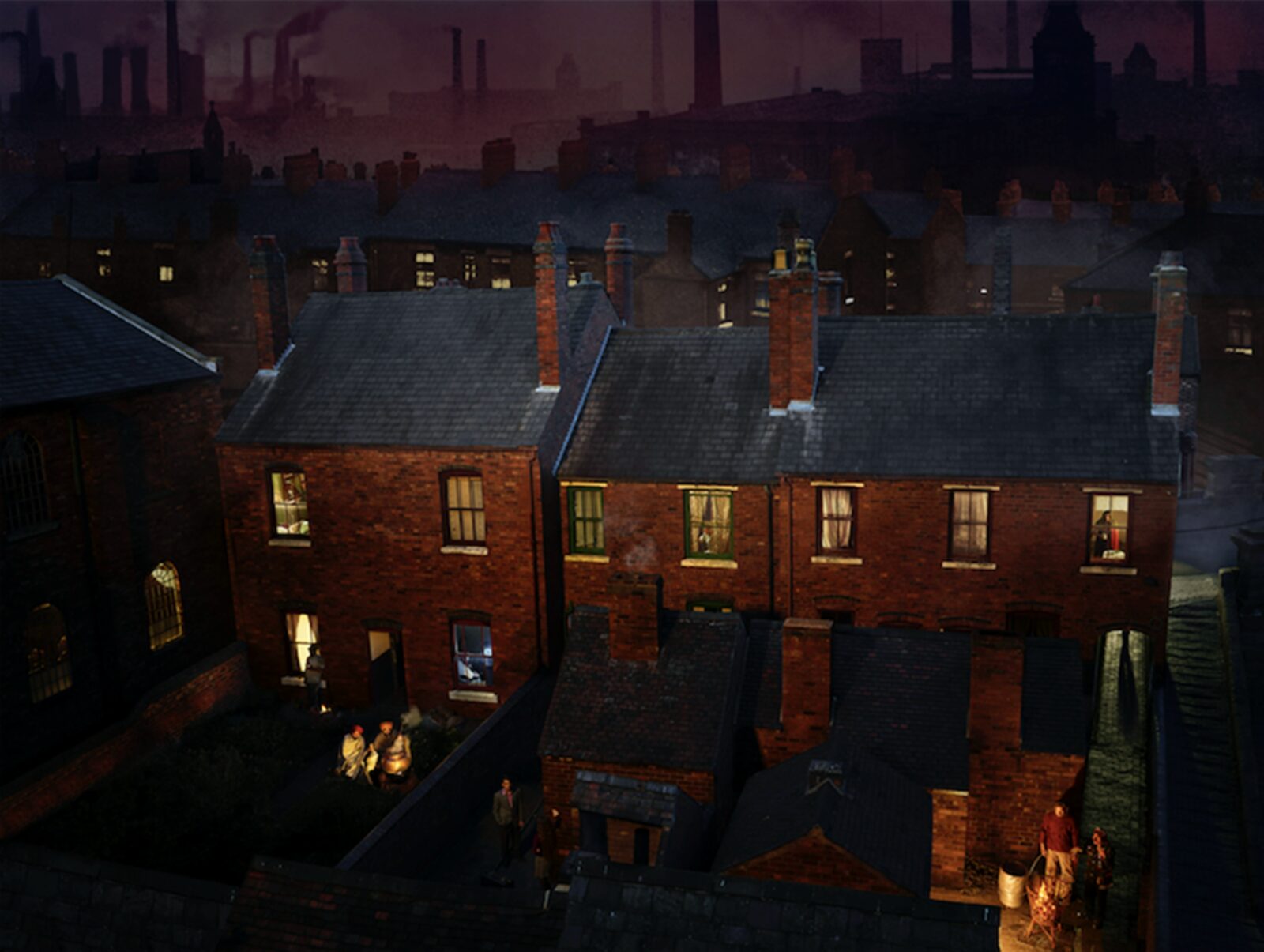
Reimagining Industrial Migratory Stories CIC is an art production house. We make films, photographs and installations from the stories of empire workers, and the work is led by those stories.
We believe social history and the regional stories of life as an underclass should be told and shared with more passion. We will inspire and provoke, creating open-air experiences and building temporary and permanent installations, using moving image and sound, architectural and new tech approaches to recreate real lived experiences.
Our artist-led outreach projects bring fine art photographic and film techniques to large mise-en-scène sets on regional locations. We bring first-rate production team leaders into the community to inspire locals to aspire.
"Our art production relies on community consultation work, for veracity of details, casting, crew. Working with local communities as consultants, we aim to empower and enable them."
The impact is partly assessed by the ownership the community takes on our work — harnessing and processing local stories to create experiences and public spectacles that have a positive impact on imaginations and marginalised identities. In working with refugees, migrants, and disenfranchised locals as cast and crew in our larger productions, we reduce social isolation and improve the local artistic environment, enabling greater community cohesion and fostering pride and empowerment.
Billy Dosanjh
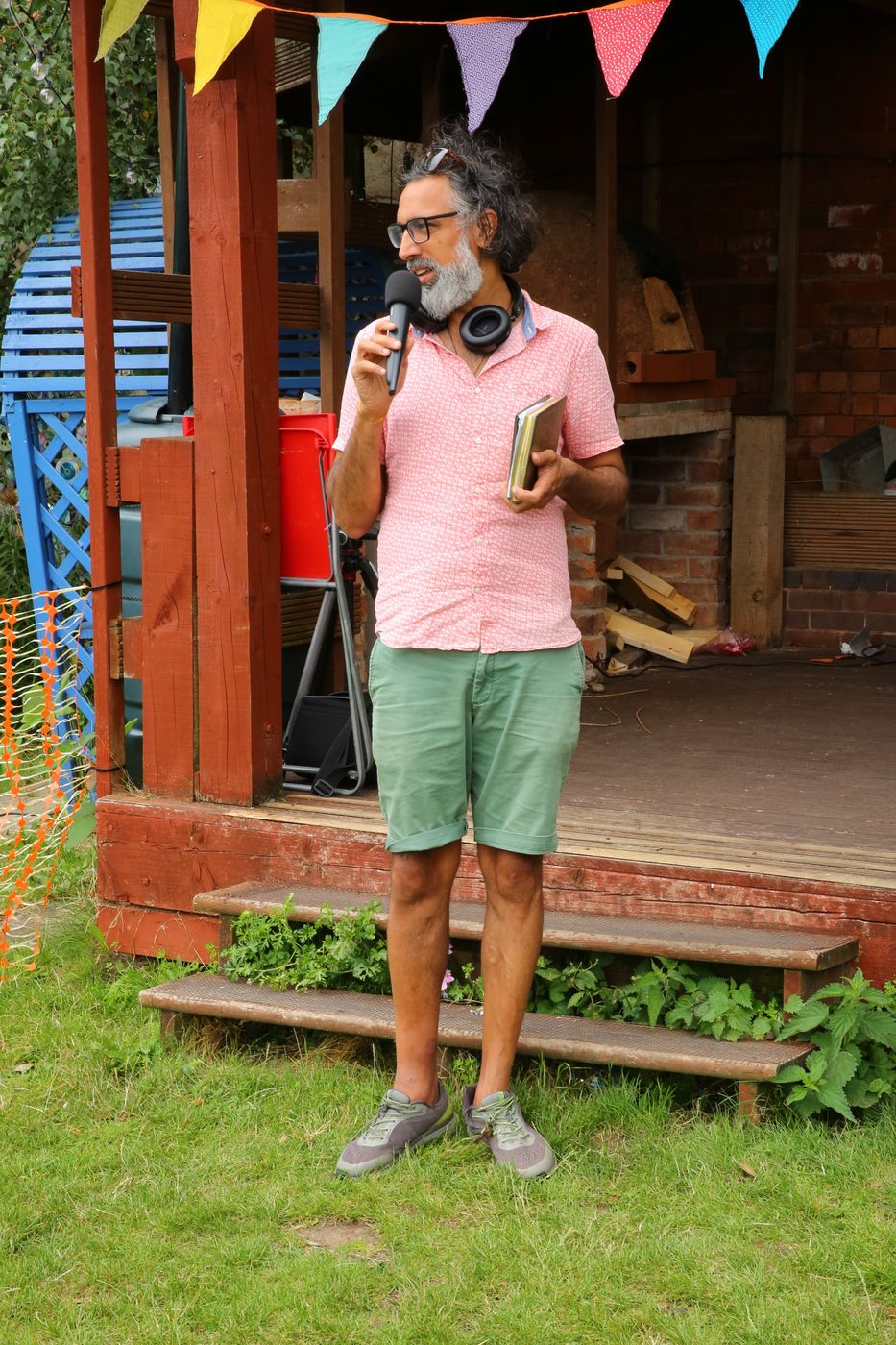
Billy Dosanjh
Billy Dosanjh's artistic practice uncovers silenced histories. Born and raised in the Black Country area of the West Midlands, he grew up within a close-knit, working-class, Punjabi community, absorbing stories from his parents' generation who experienced the epic upheaval of emigrating from India in the 1960s.
He has built a body of work that explores the lives of South Asian empire workers who arrived in this blue-collar region in the last throes of its industrial might. The canals, terraced housing, and decommissioned factory buildings that remain form an important aspect of his films and photographs, not as backdrops, but as actual characters in the work.
Trained as a filmmaker at the National Film and Television School, Billy has made highly impactful award-winning films including A Miracle in West Brom (2014), winner of the Satyajit Ray Award and Grierson Best Newcomer, and The Sikhs of Smethwick (2016). He was nominated for the Derek Jarman Artist Film Award, and holds commissions with Arts Council England, Flamin' Film London, and the BFI.
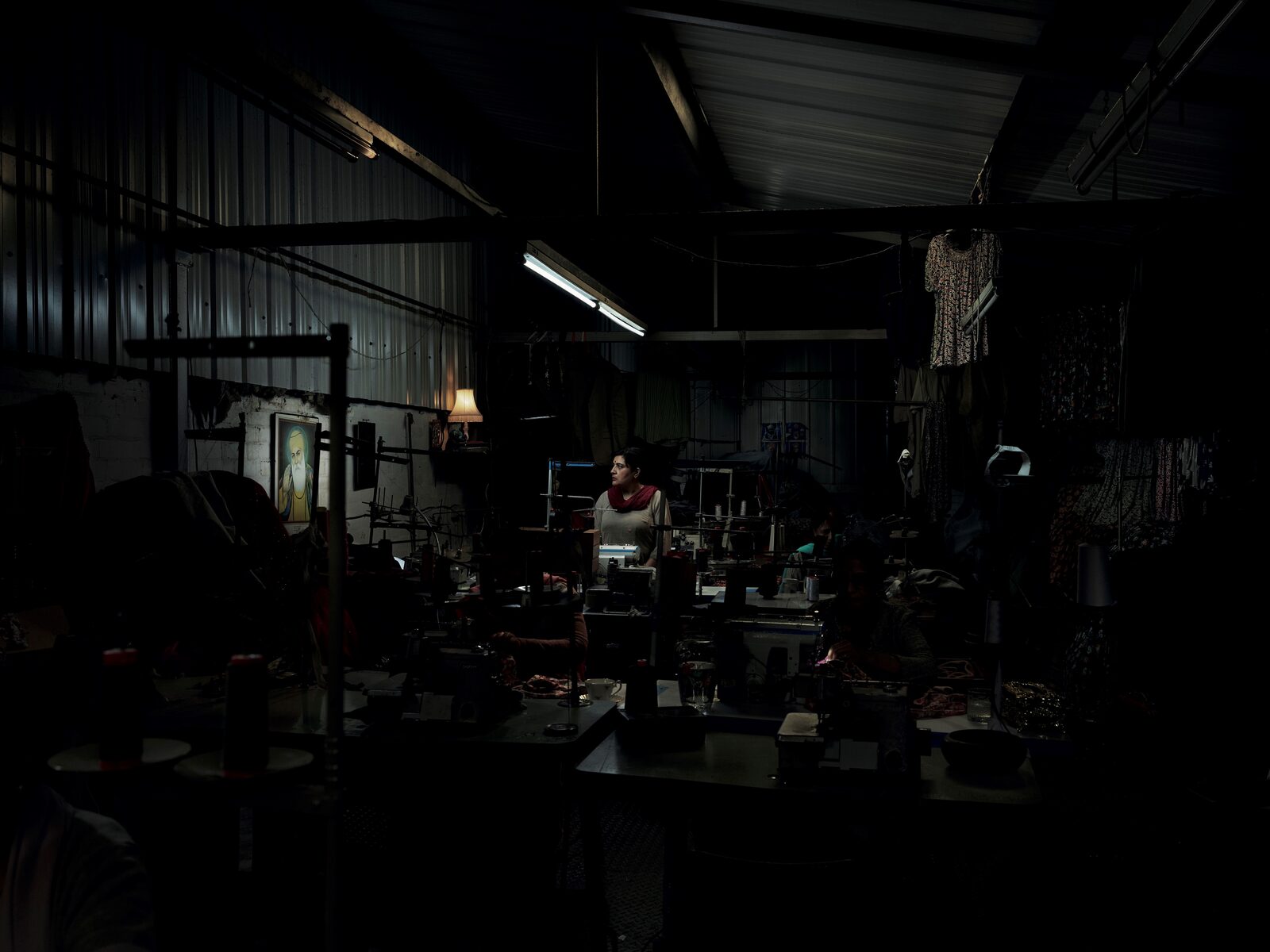
To create The Exiles series, Billy applied filmic principles, set-building, casting, costume, props, make-up, and extensive lighting, to produce complex composite images, each drawing on personal histories and memories. Works such as Dayshift (2019), composed from over 800 source files, function as what he describes as "single-shot movies where these mysterious quiet narratives are operatic in scale."
He is also part of the Flatpack board as a trustee, "purveyors of soul-nourishing and mind-blowing film events", and has recently completed a residency at Wolverhampton Art Gallery as part of the 20/20 programme, supported by UAL and the Decolonising the Arts Institute.
"I don't consider myself a politically minded artist, but I'm aware the most political thing you can do is tell a story."
Awards & affiliations
- National Film and Television School Graduate
- Satyajit Ray Award A Miracle in West Brom (2014)
- Grierson Best Newcomer A Miracle in West Brom (2014)
- Derek Jarman Artist Film Award Nominated
- RBSA Photography Prize First Prize, Dayshift & Seamstress
- Arts Council England Commission
- BFI / Flamin' Film London Commission
- Wolverhampton Art Gallery / UAL Residency, 20/20 programme
- Decolonising the Arts Institute 20/20 programme
- Flatpack Board Trustee
- The National Lottery Heritage Fund £100k, Paths You Walk
Selected filmography & works
- 2025–26 Paths You Walk Photography, HLF commission, Walsall
- 2025 20/20 Photography, Wolverhampton Art Gallery residency
- 2019–22 The Exiles / [Traveller, Your Footprints] Photography, New Art Exchange; New Art Gallery Walsall
- 2022 Indi Film, Film London FLAMIN & Arts Council England
- 2016 The Sikhs of Smethwick Film, BBC Four
- 2014 A Miracle in West Brom Film, Satyajit Ray Award; Grierson Best Newcomer
- 2014 Year Zero: Black Country Film, archive, interviews, fiction
The Making of The Exiles
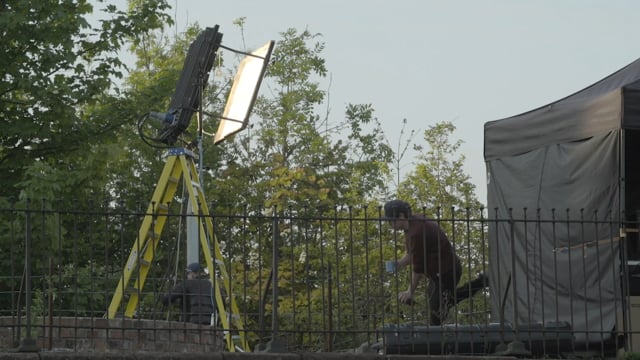
A short film documenting the production of The Exiles photographic series — from casting and costume through to the large-format shoots across the Black Country.
Directed by Billy Dosanjh
© Reimagining Industrial Migratory Stories CIC
Our people
Matthew Allmark
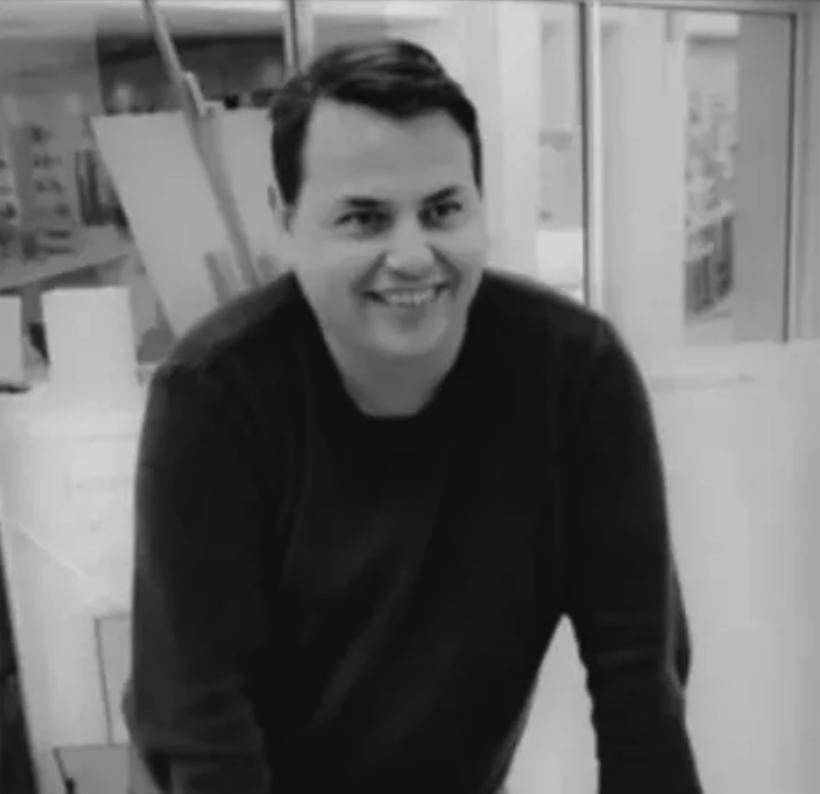
Matthew Allmark has spent the last ten years in local government on the employment and skills agenda. He has developed a career managing award-winning programmes that support local people with raising their aspirations and progressing into sustainable careers.
Matthew believes that art is a great way to inspire people to want to learn more about social history. Producing work in partnership with local communities and sharing their stories helps encourage integration and cultural awareness.
"Living in the Black Country, I have always been impressed with the vibrancy of local communities and I look forward to being part of a team that shares my passion for promoting social history and creating meaningful art."
Prof. Matthew Cheeseman
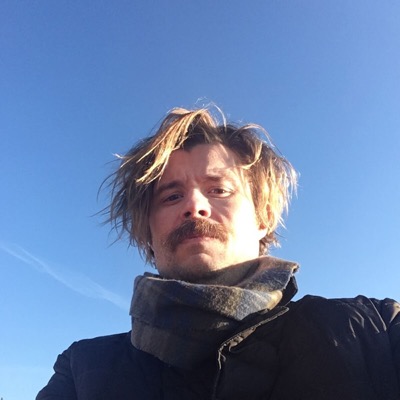
Professor of Writing and Folklore at the University of Derby. Matthew's research spans narrative, oral tradition, and community storytelling. He joined the REINDMIG board in 2026, bringing academic partnerships and twenty years' expertise in folklore and cultural heritage.
Our board
Billy and the board formed the CIC in June 2019. Our board members are part of the communities we work with and bring extraordinary networks to the work.
-
Preet Kaur Gill MP
Board Member · MP for Birmingham Edgbaston
Former Shadow International Development Secretary. Champion of community heritage and diaspora representation in the West Midlands.
-
Professor Gurminder K Bhambra
Board Member · University of Sussex
Professor of Postcolonial and Decolonial Studies, Fellow of the British Academy. Author of Connected Sociologies and Rethinking Modernity.
-
Michael Aaglund
Board Member · Documentary Editor
Award-winning documentary editor whose credits span broadcast and independent film. Brings post-production expertise and industry networks.
"The Black Country, black by day and red by night, cannot be matched for vast and varied production, by any other space of equal radius on the surface of the globe."
Elihu Burritt, Walks in the Black Country and Its Green Border-Land, 1868
Burritt was the American Consul to Birmingham from 1865 to 1870, one of the first outsiders to document the industrial landscape that empire workers would later call home.
It is our contention that the second turning point in the area's history was the arrival of empire workers en masse in the early 1960s, which could not be matched anywhere else in the UK. Liquifying cultural histories through moving images in artist-led efforts is a powerful way to make those hidden histories accessible.
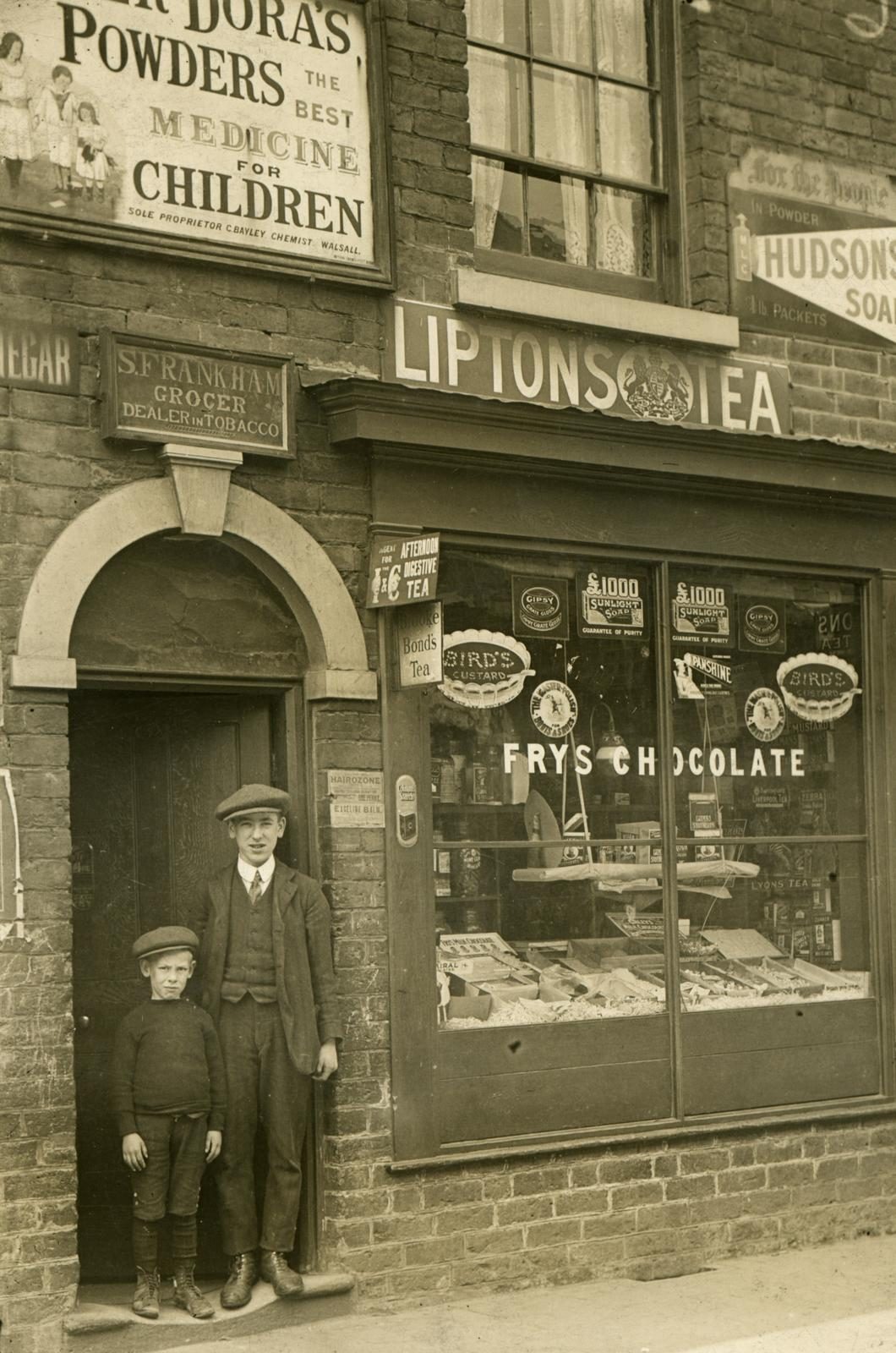
32 Teddesley Street, c. 1914
Previous exhibitions
- 2026
Paths You Walk
The New Art Gallery Walsall
6 Mar – 12 Jul 2026. HLF-funded.
- 2025
20/20, Pallant House Gallery
Pallant House Gallery, Chichester
Large-format photographic tableaux.
- 2023
The Exiles, RBSA Prize (First)
Royal Birmingham Society of Artists
Dayshift and Seamstress.
- 2022
The Exiles
The New Art Gallery Walsall
11 Nov 2022 – 6 Feb 2023.
- 2022
[TRAVELLER, YOUR FOOTPRINTS]
New Art Exchange, Nottingham
23 Sep 2022 – 7 Jan 2023.
Downloads
-
Paths You Walk, Press Release
Official press release for the HLF-funded Paths You Walk project.
-
[Traveller, Your Footprints], NAE Guide
Billy Dosanjh in conversation with curator Melanie Kidd. New Art Exchange, 2022.
-
The Exiles, Walsall Guide
Exhibition guide for The Exiles at The New Art Gallery Walsall, 2022–23.
-
Founding Document
RIMS CIC founding document, aims and objectives.
Moving image source material
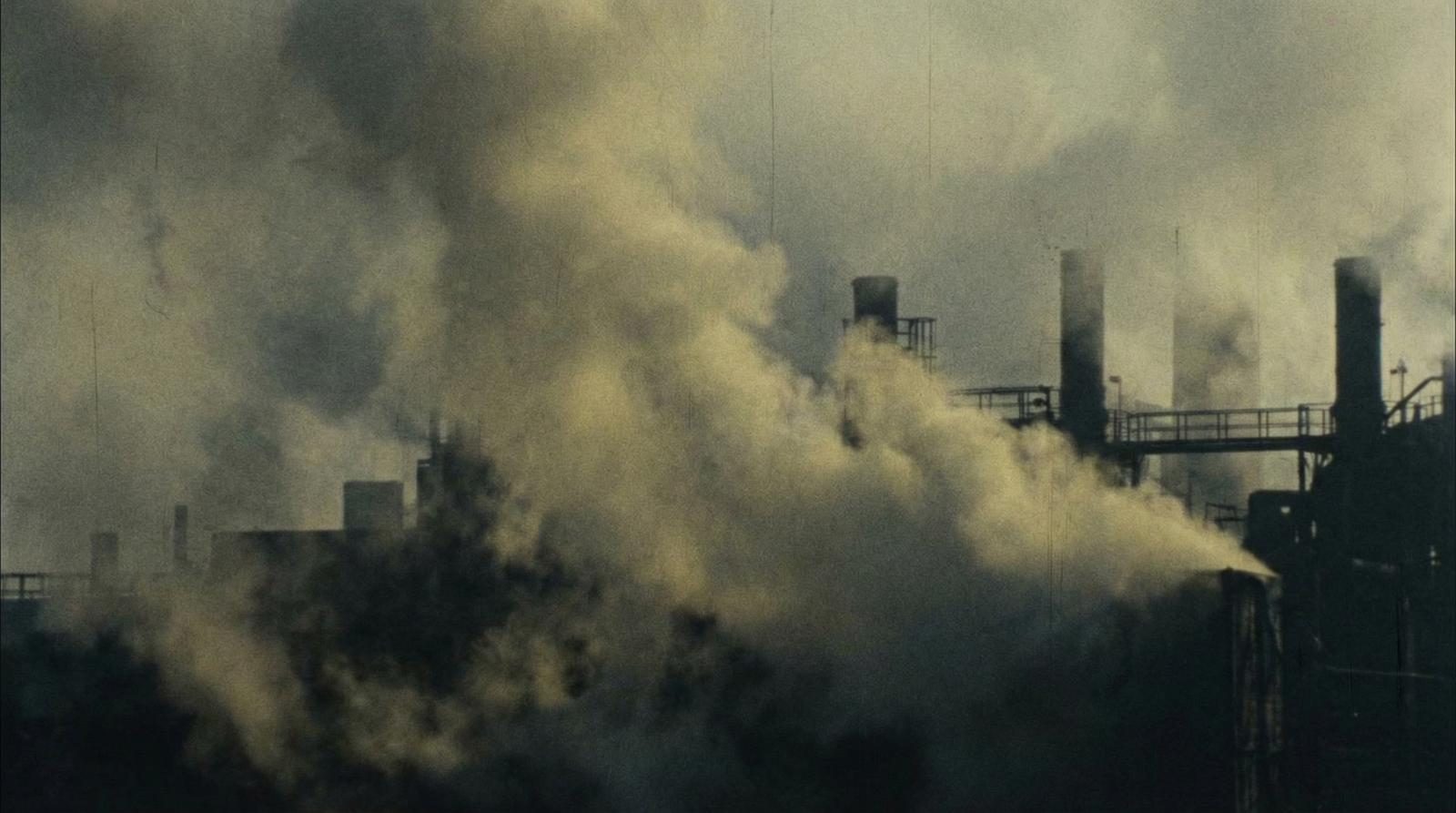
Production still, Paths You Walk, 2026
Over 150 hours of moving image archive documenting empire worker experiences in the Black Country in the 1960s and 70s, the largest such collection in the UK. Gathered from people's attics, archive centres, filmmakers' off-cuts, unscreened films, and wedding footage spanning decades.
The organisation has worked with broadcast archives including the BBC, ITN, and LWT, as well as specialist repositories at the BFI and MACE. This archive is the primary research source from which Billy Dosanjh's photographic tableaux are constructed, every costume, gesture, and social texture grounded in primary moving image evidence.
Elements of this archive are made accessible through the Anatomy of a Picture timeline, and a full overview of the collection and filmography is available on the Moving Image Archive page.
Explore the moving image archiveSupported by
Paths You Walk (2024–26)




Caldmore Community Garden
Walsall Library Archive
More Than a Moment
Previous projects
Arts Council England
Various
Film London
Indi (2023)
BFI
Commission
UAL
20/20 programme
Decolonising the Arts Institute
20/20 programme
Wolverhampton Art Gallery
20/20 residency
New Art Exchange, Nottingham
[Traveller, Your Footprints]
The New Art Gallery Walsall
The Exiles (2022)
Flatpack
Festival / Trustee
National Film and Television School
Training
Were you part of the Walsall or Black Country migration?
If you or a family member arrived in the Black Country or Walsall between the 1950s and 1970s and would like to share your story, we'd love to hear from you. Your testimony could form part of the permanent archive.